 Green Air Duct ClubSan Antonio, TX · Since 2009
Home › Blog › Indoor Air Quality in San Antonio
San Antonio is a wonderful place to live and a genuinely hard place to breathe easy — mountain cedar in winter, oak in spring, humidity most of the year, and dust year-round. If your home feels like the worst place for your allergies, here's why, and what actually moves the needle.
Fill this out and we'll call you back shortly to confirm your appointment.
Prefer to talk? Call (210) 790-3600
Ask a San Antonio allergy sufferer about "cedar fever" and watch their face. Every winter, mountain cedar pollen rolls over the Hill Country and turns the city into a symphony of sneezing — and just as it fades, oak pollen takes the spring shift. Your home is supposed to be the refuge from all that. When it isn't — when you're congested in your own living room and the furniture dusts up two days after you cleaned — the problem is usually a system, not a single culprit. This guide explains how indoor air quality actually works in a San Antonio home, and the order in which to fix it.
Everything airborne in your home eventually passes through your HVAC system — pollen tracked in on shoes and clothes, pet dander, cooking residue, dust from a city that's perpetually under construction. Your filter catches a share of it. The rest settles inside the ductwork, on the coil, and in the air handler, building up a reservoir of particles that the system then re-circulates, a little at a time, every cycle. That's why a home can feel dusty again days after a thorough house cleaning: you cleaned the rooms, but the distribution system is still stocked. It's also why air duct cleaning is the foundation of most air-quality improvements — it empties the reservoir instead of perfuming it.
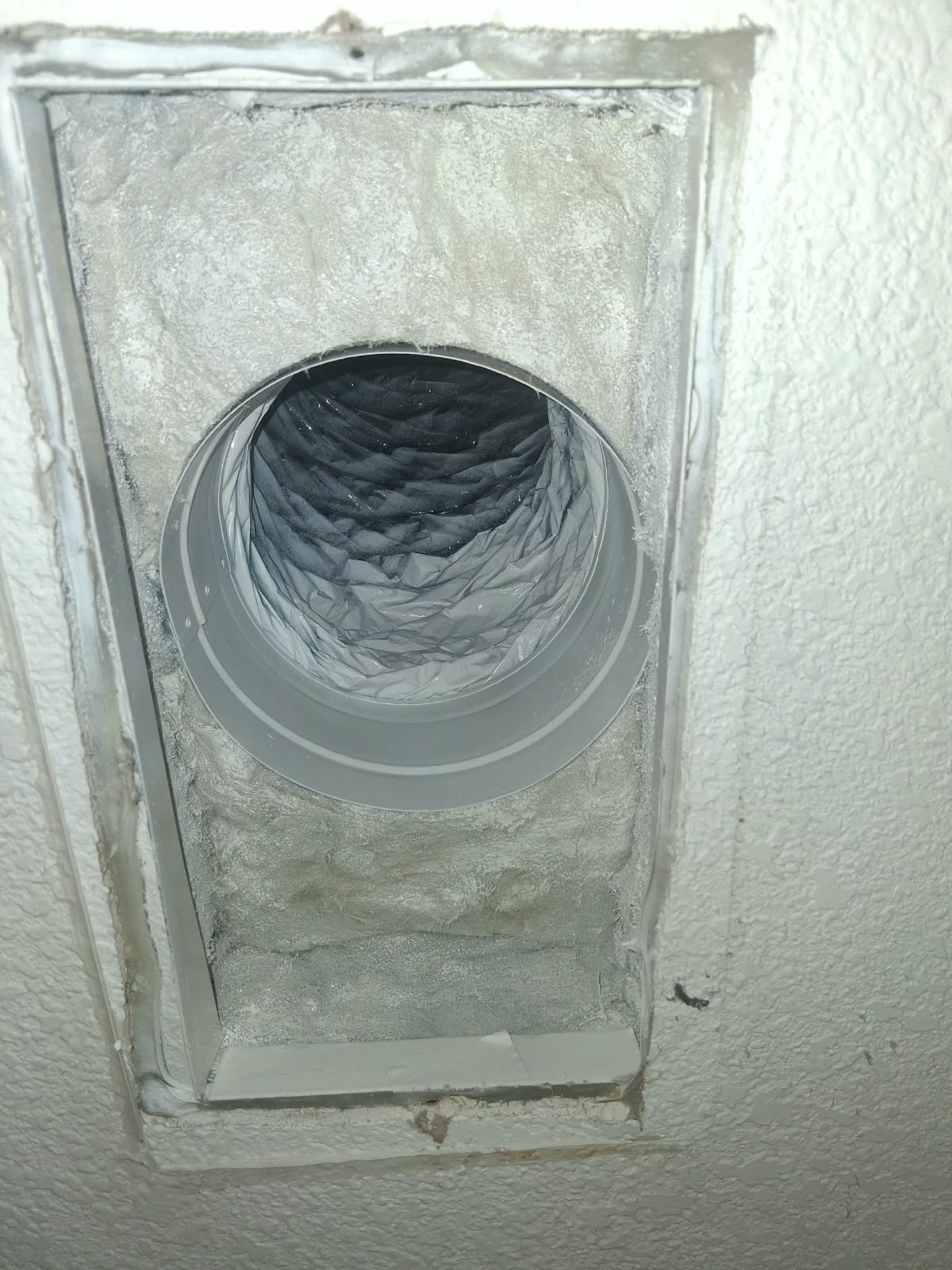
The most common air-quality mistake is buying solutions before identifying the problem — an expensive purifier for a mold issue, a mold quote for a dust issue. Our air quality testing in San Antonio measures what's actually in your home's air and gives you numbers you can act on. Combined with a free photo inspection of the ductwork, testing answers the only question that matters: what, specifically, is wrong with this house's air? From there, the fix is usually obvious — and often cheaper than the guess would have been.
Winter (cedar season): Keep windows closed on high-pollen days, change filters monthly, and shower or at least change clothes after long stretches outdoors — cedar pollen rides in on fabric and hair. Spring (oak season): Same discipline, plus a duct inspection if the house feels dusty despite your efforts. Summer: The AC runs constantly, so humidity control is the game — watch for condensate drain issues and musty startup smells. Fall: The quiet season, and the smart time for a duct cleaning and any system upgrades before cedar returns. Homeowners in Leon Valley, San Antonio proper, and out toward the Hill Country all fight the same seasons — the homes that win are the ones with a rhythm, not a rescue.
We clean ducts and improve air systems; we're not a medical practice, and no honest company should guarantee that a service will cure anyone's allergies. What we can promise is measurable: photos of your ducts before and after, test numbers for your air, and a system that stops recirculating years of accumulated dust. Most customers tell us their homes feel and smell noticeably fresher — and the dusting interval stretches from days to weeks. That's the honest version, and it's a good one.
One detail of indoor air that rarely gets mentioned: the dirtiest air in a home is usually near the floor. Heavier particles — pet dander, tracked-in pollen and grit, fibers — settle downward, and carpet acts as a deep reservoir that releases a small cloud of them with every footstep. The people who live closest to that layer are small children playing on the floor and the pets themselves, which is one reason a home can bother a toddler or a dog more than the adults towering above the worst of it. Regular vacuuming with a well-sealed, HEPA-filtered vacuum genuinely helps at floor level, and hard floors are easier to keep truly clean than carpet. But floor-level habits only manage what settles — the duct system is still supplying the rooms from above. Treat both ends: clean the system that distributes the air, and keep the surfaces where it lands in good shape.
Room air purifiers are the product most homeowners reach for first, and they're not useless — a good HEPA unit in a bedroom genuinely reduces the particles floating in that room while it runs. But understand their limits. A portable purifier treats the air in one room, only while it's on, and does nothing about the source: the dust reservoir in the ductwork keeps feeding every room the system serves, and the purifier never sees the inside of a duct, a coil, or a wall cavity. It also can't address mold growing in the system or odors embedded in it. Think of it this way: a purifier is a good mop, but duct cleaning turns off the leak. The strongest setups we see combine both — a clean system as the foundation, sensible filtration at the air handler, and a portable unit only where someone with serious allergies sleeps. If budget forces a choice, fix the system first; it's the one intervention that improves every room at once, around the clock, whether a device is switched on or not.
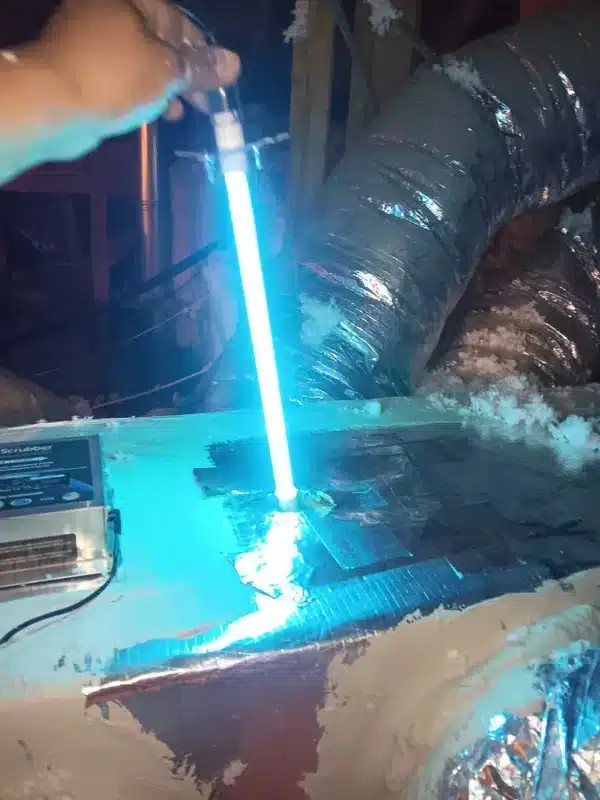
The same logic applies to the gadget shelf generally — plug-in ionizers, scented vent inserts, and miracle filters advertised at three times the normal price. Some are harmless, a few help at the margins, and none of them remove a pound of accumulated dust from inside a duct. Sequence matters more than shopping: test to find the problem, clean to remove the reservoir, protect the system with filtration and UV, and then decide whether anything else is still needed. Half the time, it isn't.
If your home is winning the fight against your sinuses, don't buy anything on a hunch. Book air quality testing or start with our free photo inspection of your ductwork — either way, you'll know exactly what you're dealing with and what the fix costs. Call (210) 790-3600 — we're open 24 hours, and we serve all of San Antonio and Bexar County.
Complete duct cleaning for one flat price per system — unlimited vents included, before-and-after photos on every job.
📞 Call (210) 790-3600It varies by house, but the usual combination is pollen that gets tracked and blown in (cedar in winter, oak in spring), dust and dander that accumulate in the ductwork, and humidity that lets dust cake and mold grow. Testing tells us which of these dominates in your home.
A UV light installed in the HVAC system continuously treats the air and surfaces it shines on — most importantly the coil, which is where mold loves to grow. It's not a whole-home air purifier and doesn't remove dust, but as a mold-and-odor prevention tool running 24/7, it's one of the most effective upgrades we install.
Testing measures what's in your air, including spore levels, and gives us real data to work from. Combined with a photo inspection of the ductwork, it tells us whether a mold problem exists and how extensive it is — no guessing either way.
It removes one of the biggest reservoirs of dust, dander, and pollen in the home, and many customers tell us they notice a difference. But allergies have many causes — we're an air and duct company, not a medical practice, and we won't promise a medical outcome. What we promise is measurably cleaner ducts and air you can test.
Your filter. A quality filter changed every 1–3 months (monthly during cedar season) is the highest-value habit in indoor air quality. After that, a free duct inspection shows you the state of the system itself.
More guides from the Green Air Duct Club crew:
Stop guessing about the air in your home. We measure it, explain it, and show you the numbers.
Read more →A UV light inside your HVAC system works around the clock against mold, bacteria, and odors.
Read more →The musty smell, the spots at the vents, the moisture that causes it — and what real remediation involves.
Read more →Air quality testing gives you real numbers for your home — and a plan based on them, not on guesses. Call (210) 790-3600 to book.
📞 Call (210) 790-3600 Book Online